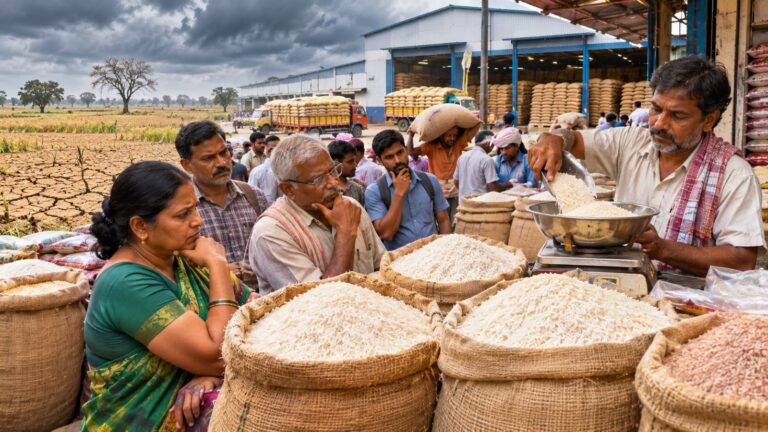

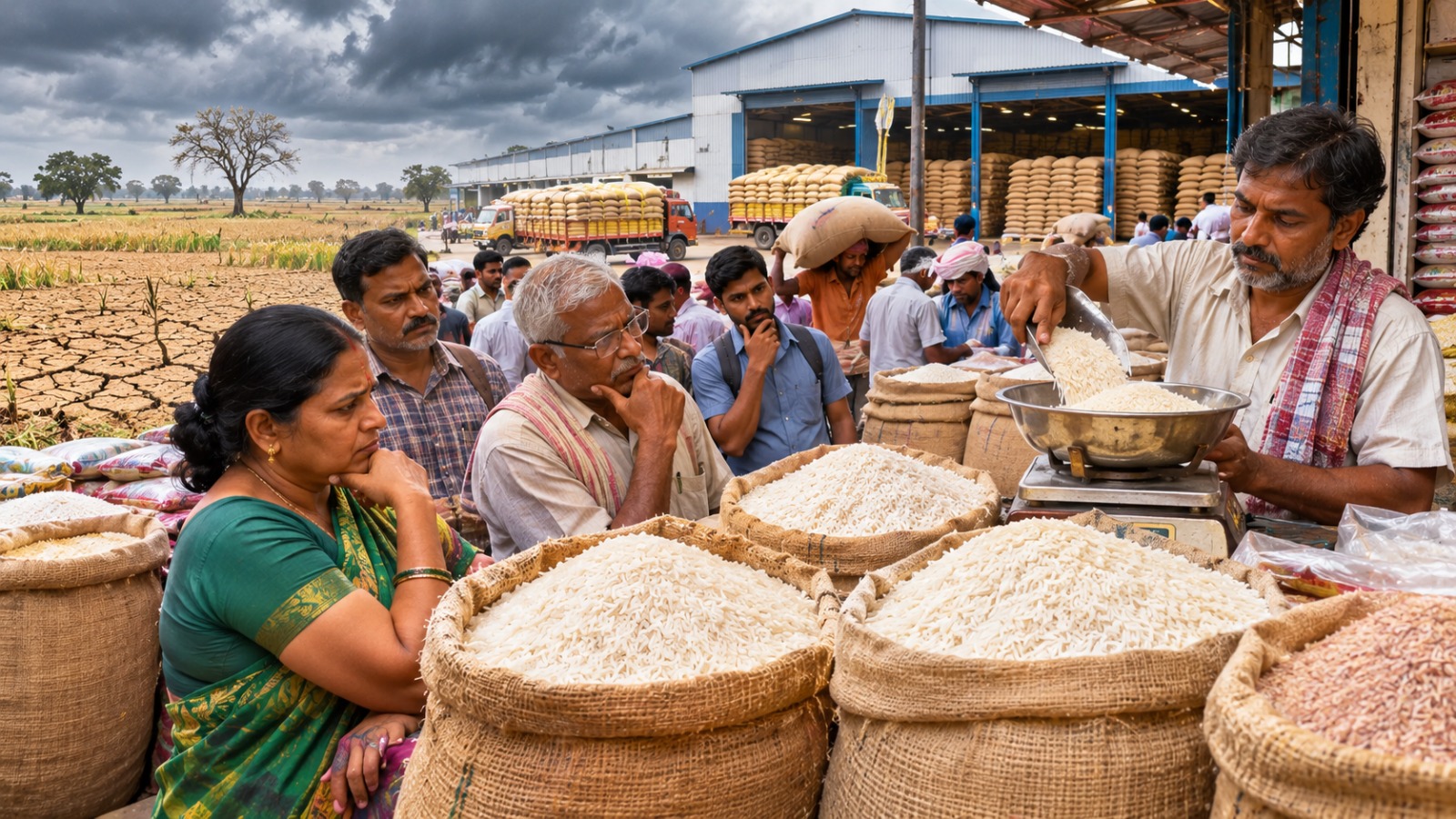
Prices for Indian rice are rising despite the country’s large government stock levels. Expectations of reduced rice output and heightened commercial demand for broken rice are also influencing supply.
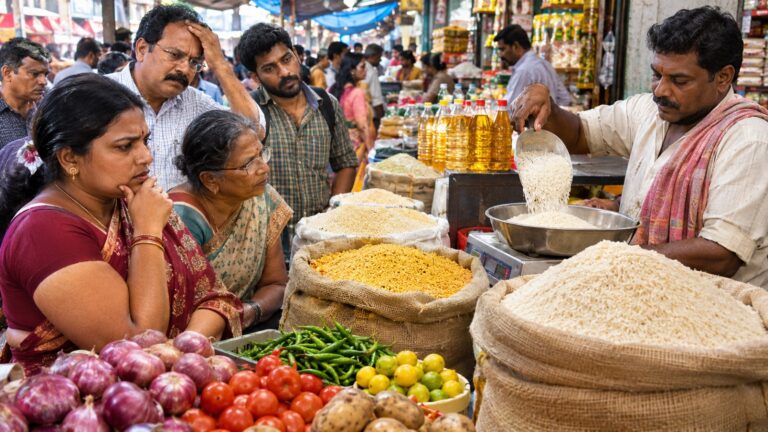
On average, retail rice prices rose by 12.5% year-on-year in October, further fuelling inflation.
As per reportes, over the last year, prices of some of the most popular rice types in southern India have almost doubled. Particularly, the price of premium non-basmati rice, such as Seeraga Samba, Sona Masoori, HMT and BPT, has risen sharply.
Poor monsoon
Reduced rice output is also being driven by poor monsoon conditions. For the first time in a decade, output is expected to decrease as the monsoon has fallen short of average levels to an extent not seen for over ten years. This has adversely impacted upon rice at the key point in the growing cycle when it matures.
Whilst there has been differing levels of monsoon under-achievement, southern India has experienced more severe under-performance. As the region favours certain rice types, this has led to a more pronounced price rise for these premium non-basmati rice types compared to other rice types which are more popular in other parts of the country.
Growing commercial demand
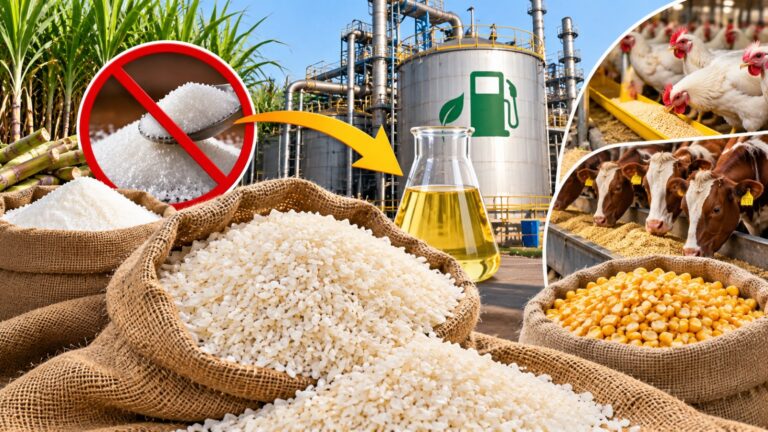
Further to this, commercial demand for broken rice is increasing. Manufacturers of poultry and cattle feed, ethanol producers and food companies are all seeking to source broken rice which is typically utilised within both food and feed sectors.
As corn prices have risen too, due to reduced corn output, feed manufacturers have sought to switch to other grains. Furthermore, limitations on the use of sugar for ethanol production has meant that the industry has had to further utilise broken rice.
This has led to further competition for rice supply and has therefore played a part in elevating rice prices.
Why India’s high stock levels are not dampening prices
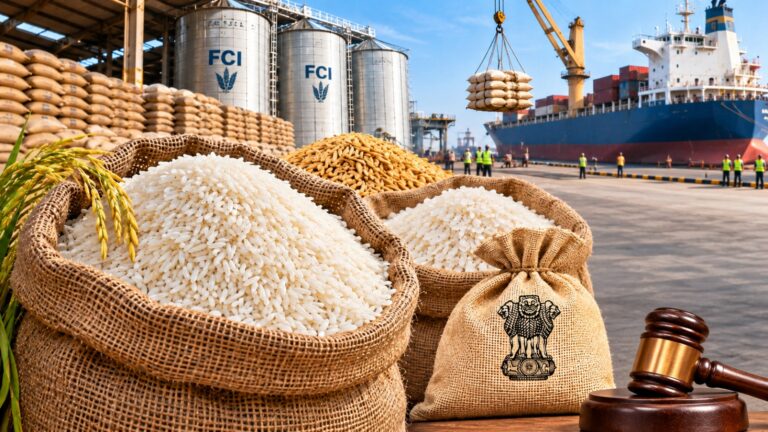
India commenced the new rice marketing season on October 1 with stock levels of 55.47 million tonnes – more than four times the required buffer level.
Yet despite this, retail rice prices have not fallen in line with these high stock levels. Much of the government stock is made up of standard rice and is not readily interchangeable with the preferred premium non-basmati rice types within southern India.
Therefore, the disparity between the type of rice within government stocks and that favoured by different regions has hampered the efficacy of government stocks in alleviating supply issues and subsequent price rises for particular rice types.
Government methods for managing prices
There are a number of ways in which the government can manage supply and in turn, seek to control rice prices. For example, it can further supply rice from government stores to the private sector. It can also increase the amount of subsidised rice supplied through state stores and manage private sector stock levels.
Already, the government has doubled the amount of rice it plans to supply through the Open Market Sale Scheme (Domestic) to 5 million tonnes for 2026-27, up from 2.5 million. Compulsory weekly reporting of rice and paddy stock levels has also been implemented for rice traders, wholesalers, retailers, manufacturers and millers. Further to this, Andhra Pradesh, Karnataka, Kerala, Tamil Nadu and Telangana have received concurrence to set maximum stock levels in southern India until January 31, 2027.
Other potential methods for managing rice prices include the introduction of a 20% export duty on non-basmati rice, re-establishing a minimum export price (MEP) and controlling the export of 100% broken rice so as to encourage greater domestic supply.
Export controls may affect India’s international standing
India is responsible for almost 40% of world rice trade and is currently the world’s biggest rice exporter. New export controls could affect world rice prices and open the door for other rice exporters, such as Thailand, Vietnam and Pakistan, to step in and fill this gap.
As the recent price rises have predominantly occurred for certain premium non-basmati rice types, focused government action may allow effective management of domestic supply issues, without greatly affecting the overall export market.
Nevertheless, export duties and controls may cause India to become less price-competitive in world markets. Striking the correct equilibrium between ensuring Indian consumers have good value for money and sufficient food security, and maintaining India’s strong international export reputation will be key for decision makers.