
Why Assam’s Tea Industry Faces New Challenges Amid Immigration Concerns?
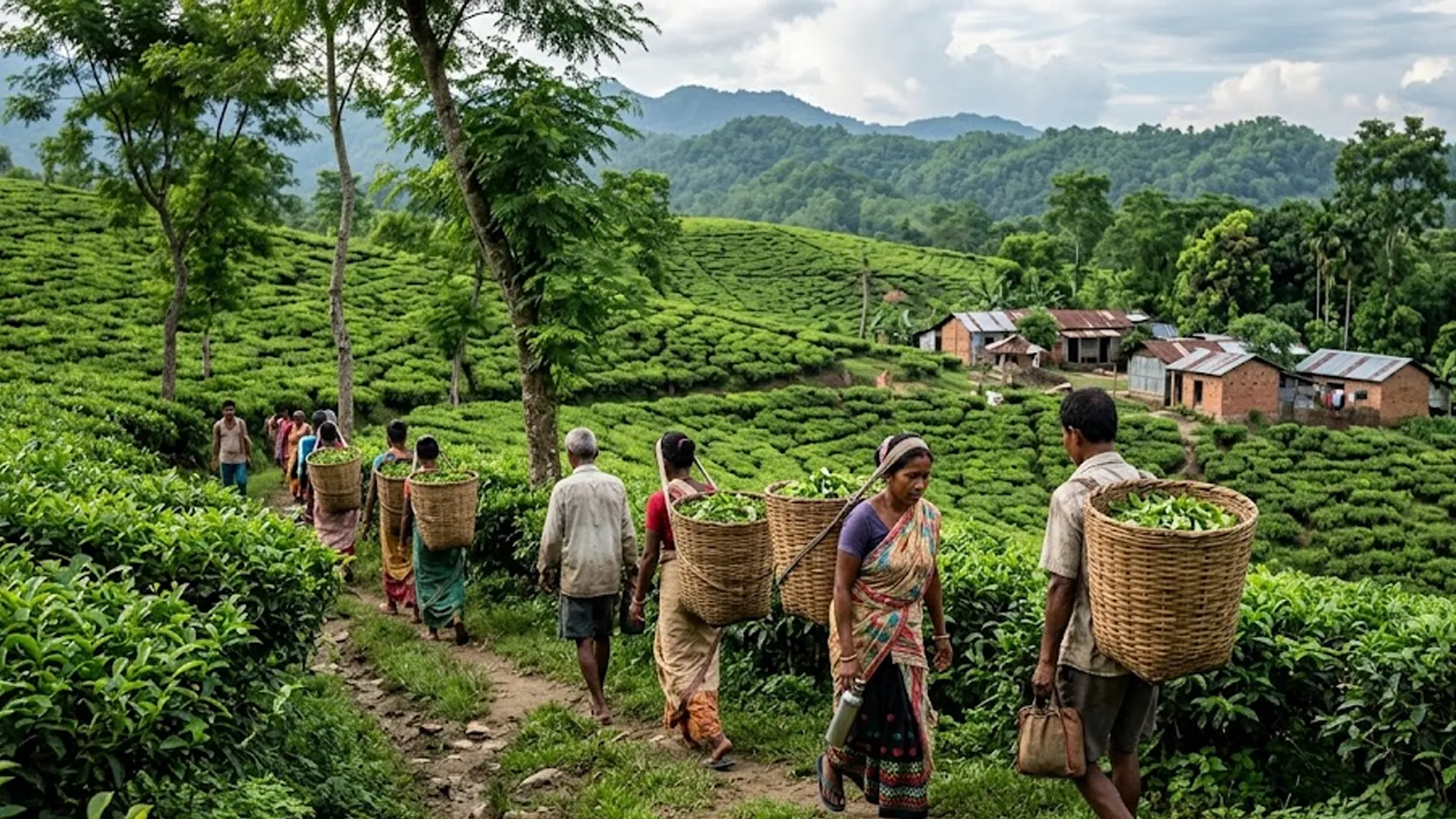
Assam continues to remain a major hub for India’s Tea industry, with thousands of families and communities relying on the state’s plantations for their livelihood. Recent discussions in the Assam Assembly regarding the repatriation of illegal Bangladesh immigrants have brought renewed attention to several social and economic factors which are affecting the state, including the plantation ecosystem.
The state’s tea gardens are an integral part of Assam’s identity and contribute significantly to the regional economy. The evolving demographic situation has encouraged policymakers and stakeholders to examine issues related to employment, land management, and sustainable development within the tea sector.
According to Industry representatives, including members associated with the Tea Association of India, have consistently underscored the need for better infrastructure, skilled labour availability, and long-term policies to support plantation communities. The role of tea growers remains vital as they face challenges such as rising production costs, climate impacts, and market Changes. Whereas immigration-related discussions remain a matter of governance and security, the growth of Assam’s plantation economy depends on balanced policies that protect workers’ interests and encourage investment. Boosting the tea industry requires collaboration between government bodies, growers, labour communities, and industry organisations.
Moreover, Assam’s position as one of the world’s recognised tea-producing regions makes it essential to focus on sustainable practices, enhanced working conditions, and innovation. With coordinated efforts, the state can continue to enhance its reputation in the global tea market while addressing emerging economic and social challenges.