India’s Fertiliser Subsidy burden could cross ₹3 lakh crore in FY27 as the ongoing West Asia Crisis continues to disrupt global energy and commodity markets. Rising geopolitical tensions in the region have increased the cost of raw materials and transportation, creating fresh pressure on India’s agricultural support system.
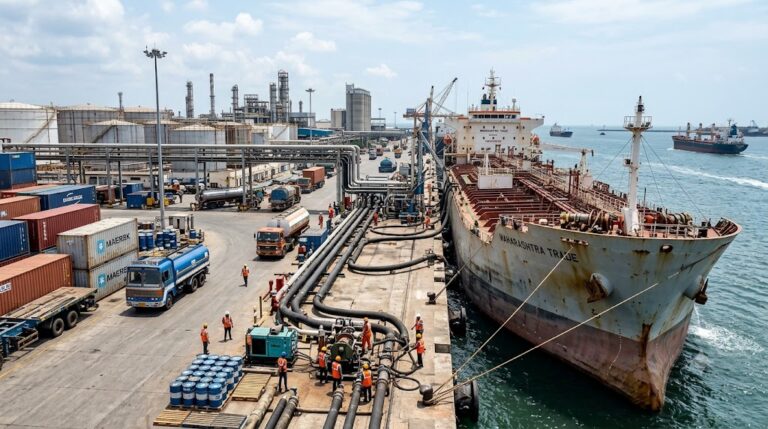
India relies heavily on fertiliser imports to meet domestic demand, especially for products like urea, DAP, and potash. Any disruption in supply chains or increase in international prices directly impacts subsidy calculations. With shipping costs rising and energy prices remaining volatile, the government may have to significantly increase spending to shield farmers from higher retail prices.
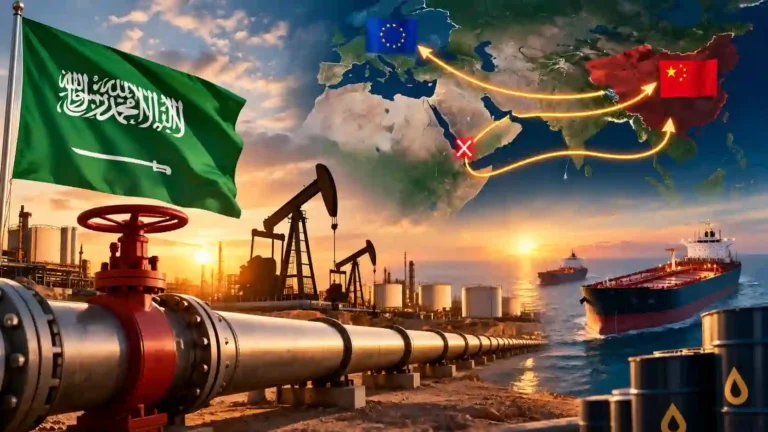
The escalating Middle East Conflict has also raised concerns over the stability of global trade routes. Industry analysts believe prolonged tensions could tighten fertiliser supply worldwide, leading to additional price fluctuations in international markets. This may force importing countries like India to secure supplies at elevated costs.
Although India has been working to strengthen domestic production and reduce import dependence, global price movements still heavily influence the sector. Rising logistics expenses and uncertain market conditions could also impact Fertiliser Exports from key producing nations, further tightening availability.
Experts suggest that maintaining affordable fertiliser access for farmers will remain a major policy priority for the government. However, increasing subsidy requirements could place additional pressure on fiscal spending in the coming years.
The situation highlights how geopolitical developments in West Asia continue to affect agriculture, trade, and economic planning far beyond the region itself.