
Strait of Hormuz Fertiliser Disruption Threatens Global Food Prices and Crop Yields
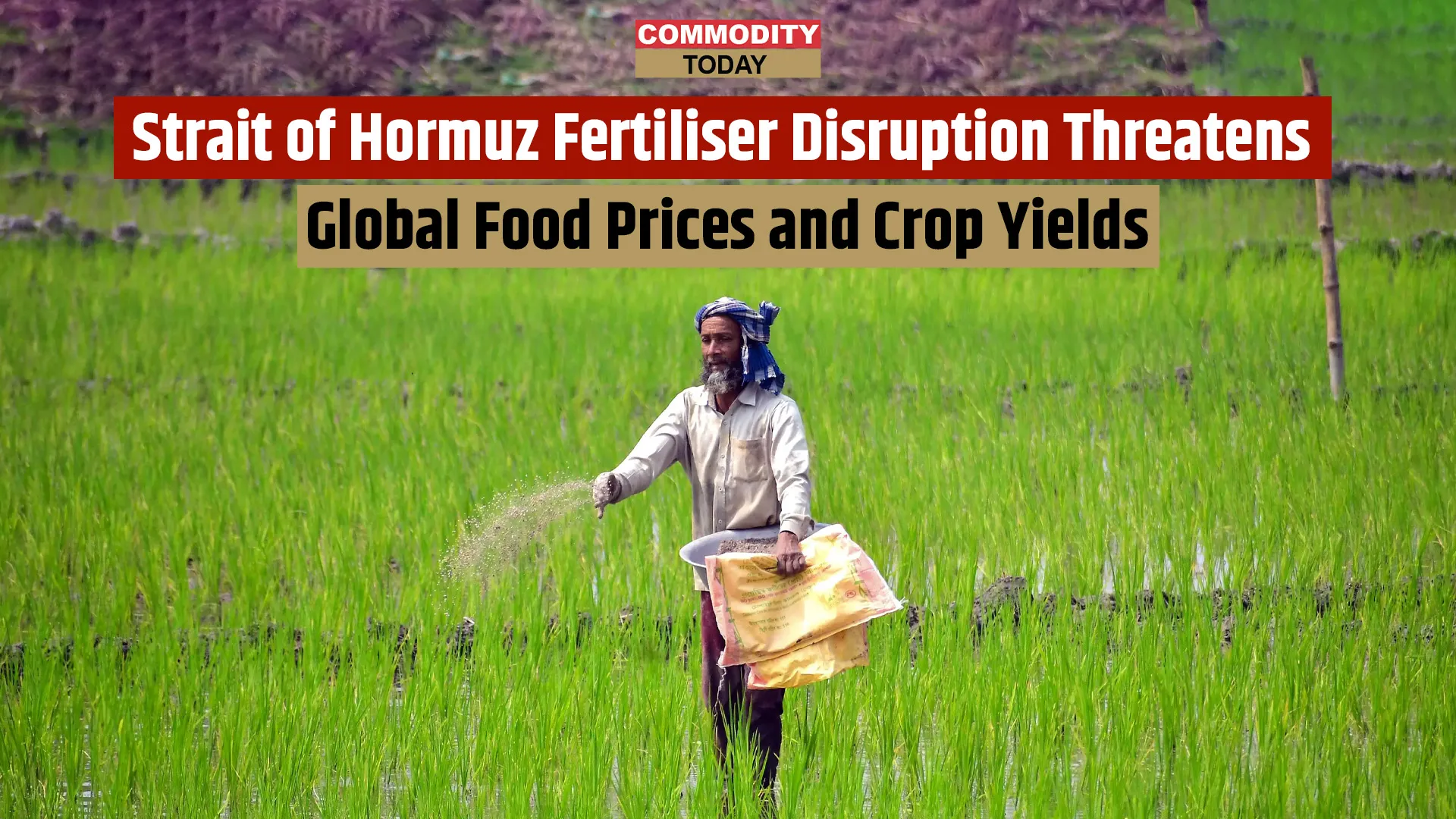
A disruption in shipping through the Strait of Hormuz, one of the world’s most critical maritime corridors, is creating a potential fertiliser shock that could impact global food production and prices. While the strait is widely known for its role in global oil and natural gas transport, it also handles a significant portion of nitrogen fertilisers, including urea and ammonia, which are essential for crop cultivation worldwide.
Analysts warn that the ongoing Middle East conflict has reduced traffic through the strait, causing delays and blockages in fertiliser shipments as well as natural gas supplies, which are vital feedstocks for fertiliser production. The shortage of inputs and rising prices are likely to increase costs for farmers, potentially leading to lower yields for staple crops such as wheat, maize, and rice.
According to experts, about one-third of global traded nitrogen fertilisers pass through the Strait of Hormuz. Any prolonged disruption could have a cascading effect on agricultural production, leading to higher global food prices and heightened food security risks, particularly in import-dependent regions. Countries reliant on fertiliser imports may face challenges in maintaining crop productivity, impacting both domestic supply and international trade.
The situation underscores the interconnected nature of global trade, where geopolitical tensions can ripple through multiple sectors, from energy to agriculture. Policymakers and industry stakeholders are monitoring the situation closely, exploring alternative supply routes, and seeking measures to mitigate the impact on farmers and consumers.
With the potential for fertiliser shortages and escalating input costs, the crisis at the Strait of Hormuz highlights the need for strategic planning in agriculture and diversification of supply chains to safeguard food production. Timely interventions and alternative sourcing could help stabilize fertiliser availability and prevent further pressure on global food prices.