
India’s Wheat Procurement Crossed Revised Buffer Stock Target
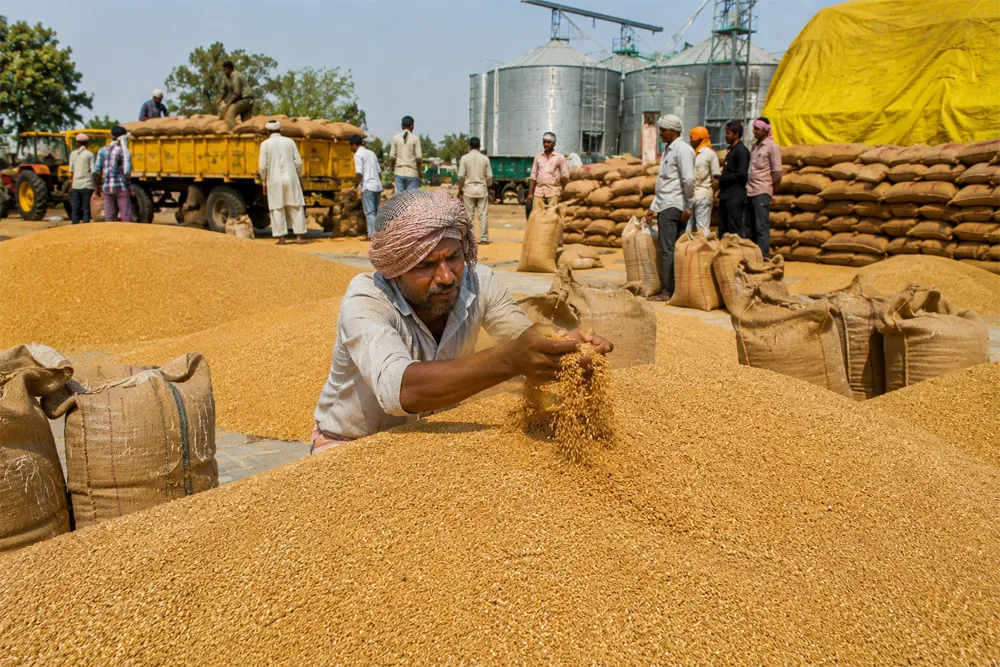
According to sources, India’s agricultural sector has attained a significant milestone as the official wheat procurement for central buffer stocks has officially surpassed the government’s revised target for the 2026 marketing season. Notably, a surge in wheat production and higher crop arrivals in the major agricultural states have successfully restored the nation’s food grain reserves.
Wheat Procurement: Boosting Reserves and Market Stability
Broadly speaking, improved farmer participation in government-backed mandis played a crucial role in escalating the wheat procurement drive. This robust stock accumulation provides significant ease for the country’s Public Distribution Systems and welfare schemes. Furthermore, the healthy surplus boosts the government’s intervention capabilities. It allows the authorities to manage domestic wheat prices effectively and counter inflationary pressures. With a secure wheat supply now in government granaries, the domestic market is well-positioned for price stability throughout the year.
What are the Global Trade Implications?
Whereas the primary focus remains on protecting domestic food security, the buffer surplus opens up strategic discussions regarding trade. On the other hand, strict controls on wheat exports have been crucial to protecting local consumers in recent years; this buffer cushion reduces the reliance on foreign wheat imports. Contrary to this, it ensures self-sufficiency and boosts India’s food sovereignty in a temporary global market.
The wheat procurement achievement grants the government powerful leverage to counter open-market speculation. Policymakers can execute timely open-market sales to cool down retail spikes by maintaining an optimal stock-to-use ratio. Ultimately, this ensures that essential staple foods remain affordable for consumers, along with guaranteeing fair financial returns for domestic farmers.