
Maize Prices Decline Amid Global Supply Shifts and Fertiliser Crisis
Maize prices decline as global supply conditions improve and geopolitical tensions ease, bringing short-term relief to agricultural markets. The recent softening of prices is largely attributed to better harvest outlooks and ceasefire-related stability in key producing regions, which has helped stabilise supply chains.
Maize prices decline amid global supply shifts and fertiliser crisis
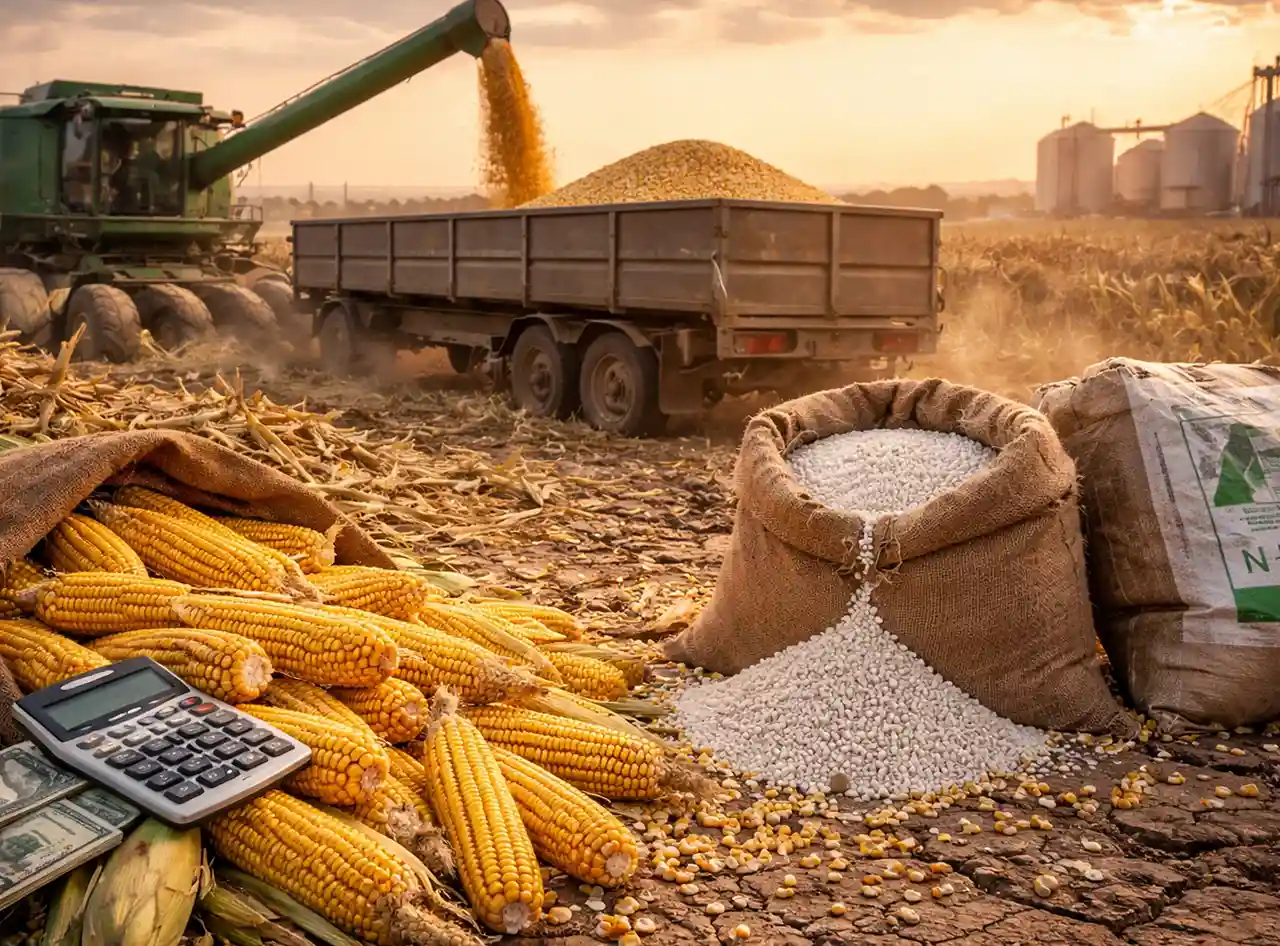
Despite the positive movement in supply, the ongoing fertiliser crisis and supply chain disruptions continue to pose challenges for farmers worldwide. Rising input costs, particularly for fertilisers and fuel, are putting pressure on farm profitability and influencing planting decisions.
Experts note that while improved supply has contributed to the maize prices decline, the situation remains fragile. The impact of global conflicts and energy disruptions is still being felt across agricultural markets, affecting both production and distribution systems. As a result, farmers are facing increased uncertainty, with many reconsidering crop choices due to fluctuating costs.
In the short term, the increase in maize availability is helping ease prices. However, persistent issues such as rising fertiliser costs and inconsistent access to agricultural inputs could limit future output. This imbalance may eventually lead to renewed price volatility if supply fails to keep pace with demand.
In conclusion, while maize prices decline currently reflects improved supply conditions, ongoing cost pressures and market uncertainties highlight the need for stable input supply and better risk management strategies in agriculture.