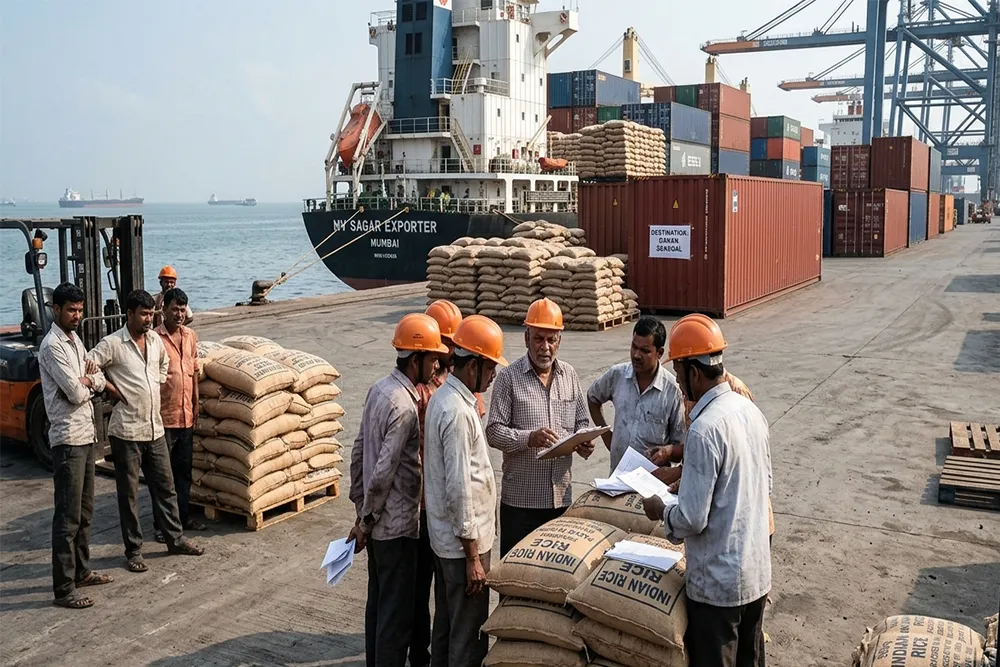
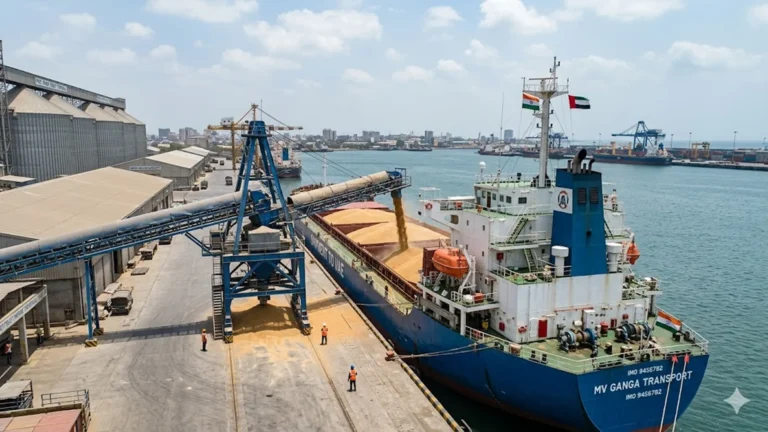
The latest development in the Senegal rice market is creating serious concerns for India’s export sector. On April 23, 2026, Senegal introduced a new rule that is quietly reshaping the dynamics of global rice trade and putting pressure on major exporters like India.
What is Senegal’s New Policy?
Under the new Senegal rice import policy, importers are now required to purchase locally produced rice before bringing in foreign rice. In simple terms, the more local rice a company buys, the more imported rice it is allowed to bring into the country.
The government has allocated quotas to 11 major importers, allowing around 600,000 tonnes of rice imports. However, there’s a catch—these companies must first buy 37,500 tonnes of domestically produced rice. There are no exceptions. Failure to comply means losing import permissions entirely.
Why This Matters for India
India is one of the largest suppliers in the West Africa rice market, particularly in the non-basmati segment. Senegal has traditionally been a key buyer, making this policy a major shift for India rice exports.
This is not a direct ban on imports, but it creates a financial hurdle. Importers now face higher costs because they must first purchase relatively expensive local rice. As a result, they may demand lower prices from Indian exporters or reduce overall imports.
Pressure on Exporters
The biggest impact will likely be felt by small and medium exporters involved in rice trade with Africa. Larger corporations may have the flexibility to absorb cost changes, but smaller players could struggle with shrinking profit margins.
If importers push for price reductions, Indian exporters will face tighter margins, making the business less attractive and sustainable in the long run.
A Bigger Risk: Policy Replication
The most concerning aspect of this development is its potential ripple effect. If Senegal’s strategy proves successful, other countries in West Africa—such as Nigeria, Ghana, and Ivory Coast—may adopt similar policies.
This could gradually shrink India’s presence in one of its most important export regions, impacting overall global rice trade flows and altering long-standing supply chains.
Impact on Indian Farmers
The consequences may not stop at exporters. Farmers in states like West Bengal, Odisha, Andhra Pradesh, and Telangana depend heavily on export demand for non-basmati rice.
If exports decline due to restrictive policies like the Senegal rice import policy, excess supply could remain within India. This may lead to falling domestic prices, directly affecting farmers’ incomes.
The Larger Global Trend
This move reflects a growing global trend of protectionism. Countries are increasingly prioritizing domestic production over imports to strengthen food security and support local farmers.
While India remains a dominant player in global rice trade, being the largest exporter alone may not be enough in a world where markets are becoming more restrictive.
The Road Ahead
India may need to rethink its export strategies to maintain its stronghold in international markets. This could include:
- Diversifying export destinations
- Strengthening trade agreements
- Enhancing competitiveness through pricing and quality
The Senegal rice policy is more than just a local regulation—it’s a signal of changing global trade dynamics. The key question now is whether India can adapt quickly enough to protect its exporters and farmers in this evolving landscape.