
Bangladesh Issues Tenders on Wheat Imports Hitting Indian Exporters. Here’s Why?
Bangladesh Issues Tenders on Wheat Imports Hitting Indian Exporters—Here’s Why?
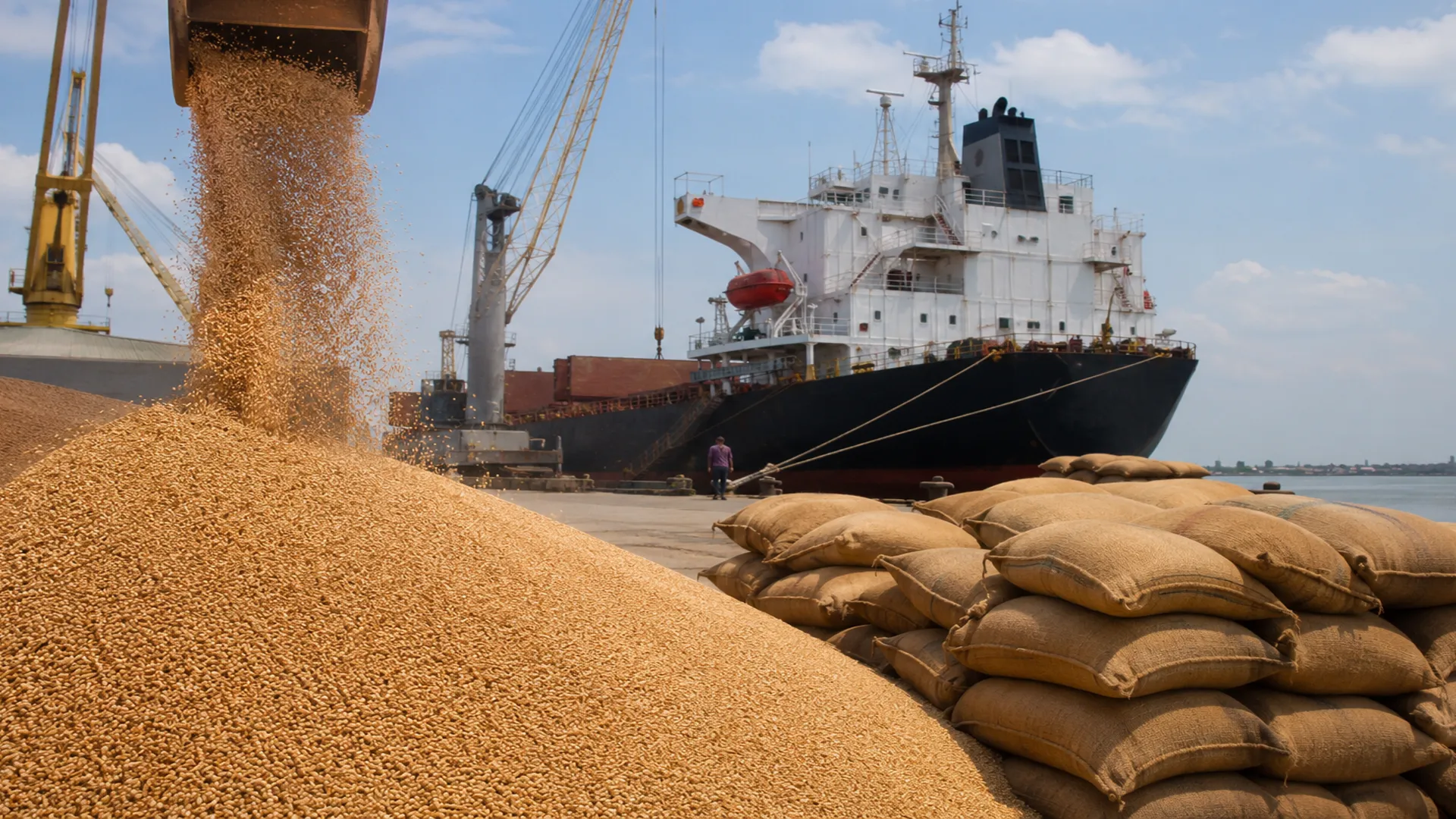
Bangladesh introduces stricter quality and compliance requirements in its latest tenders on wheat imports. It is reshaping regional wheat trade news and severely affecting Indian exporters. Notably, these new tenders are expected to raise the bar for participation, making it more challenging for Indian wheat exporters to meet revised standards.
India is a major player in the global wheat market but the country could reduced access to Bangladesh if exporters fail to comply with the tightened regulations. Earlier, wheat exports from India have benefited from geographical proximity and competitive pricing. However, the emerging import framework could disturb established trade flows and affect overall agricultural shipments.
According to experts, these changes may influence wheat prices in the short term by changing demand patterns and redirecting trade routes. Whereas Bangladesh is working on improving quality assurance and food safety, the stricter standards could force Indian exporters to re-evaluate their strategies in the global grain export market.
Moreover, this development highlights changing trends in wheat production where Indian exporters are required to meet international compliance benchmarks. To remain competitive, India may need to strengthen storage infrastructure, certification systems, and supply chain transparency.
According to Industry analysts, diversification into alternative markets in Africa, the Middle East, and Southeast Asia could offset losses in trade with India and Bangladesh. Meanwhile, improvements in wheat production quality and logistics efficiency are significant for sustaining long-term export growth.
Apparently, tightening rules on wheat imports indicate a shift in regional trade dynamics, pushing exporters to adapt quickly to global standards.