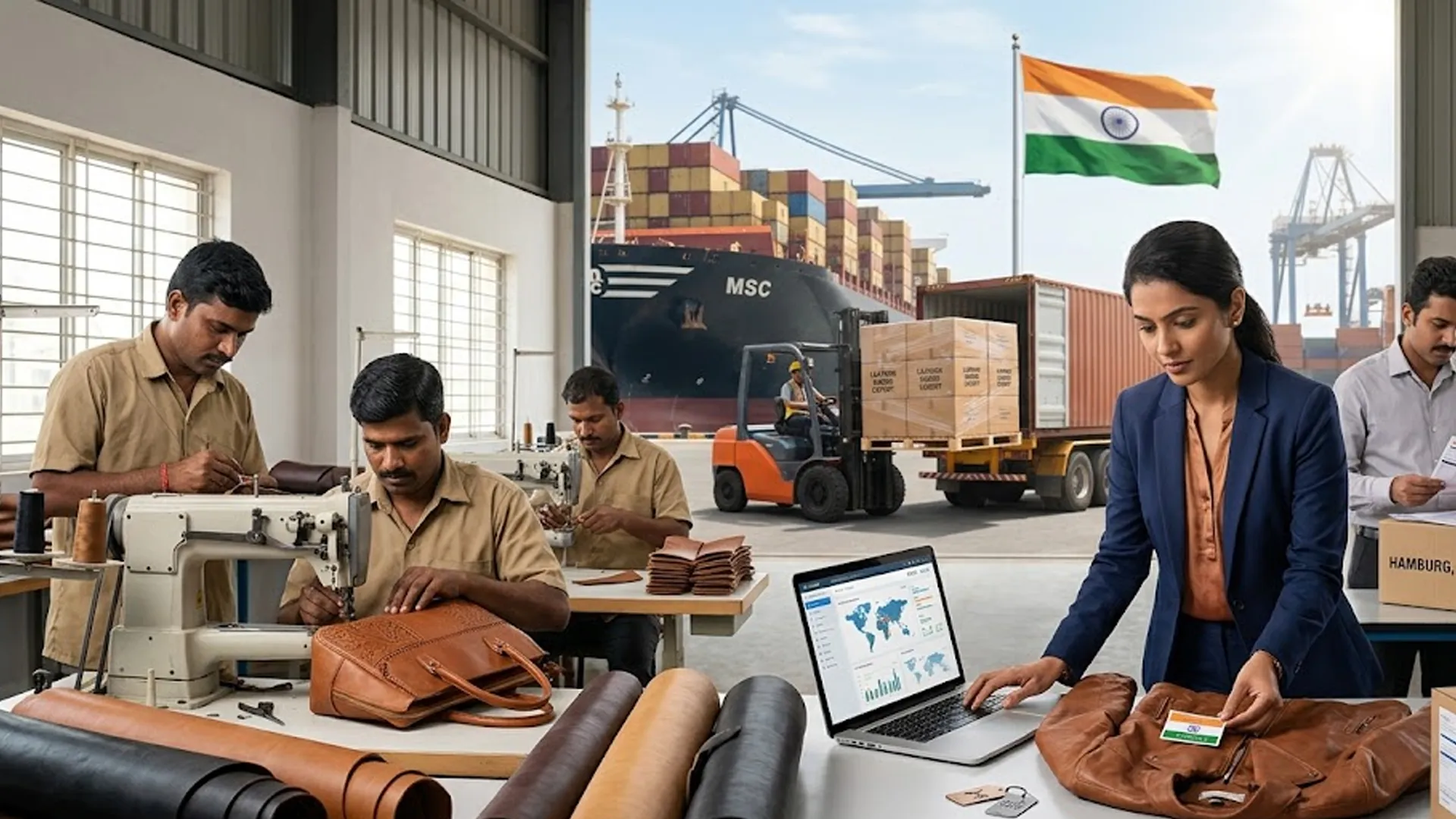
According to reports, India’s leather sector is expected to enter a new phase of growth as recently signed and upcoming free trade agreements (FTAs), which generate fresh opportunities for international trade. Union Commerce and Industry Minister Piyush Goyal said that these agreements can help Indian manufacturers increase their global presence while achieving higher export targets.
The minister emphasised that the industry must focus on innovation, quality enhancement, and sustainable manufacturing to compete efficiently in global markets. As international buyers demand environmentally responsible products, enhancing leather production standards will be significant for Indian companies looking for long-term growth.
The expansion of trade partnerships through FTAs is expected to offer better market access for Indian businesses and boost leather exports. Not only this, but these developments could also affect leather prices by enhancing demand, increasing production efficiency, and creating a more competitive marketplace.
Notably, India’s leather industry has traditionally been a major contributor to employment and export earnings in the country’s economy. With supportive policies and efficient global connectivity, the sector has the potential to attract new investments and expand its role in international supply chains. Meanwhile, monitoring leather imports will remain significant to maintain a balanced domestic market and support local manufacturers.
In addition, the government’s focus on trade agreements signals India’s broader strategy to increase its share in global manufacturing and exports. Indian leather companies can boost their position worldwide by adopting advanced technologies, improving product quality, and meeting international sustainability standards.
With Free Trade Agreements opening opportunities for trade, the future of India’s leather sector will depend on innovation, efficient production, and the ability to meet changing global consumer expectations.